Insight
Mastering Project Management: Strategies for Success
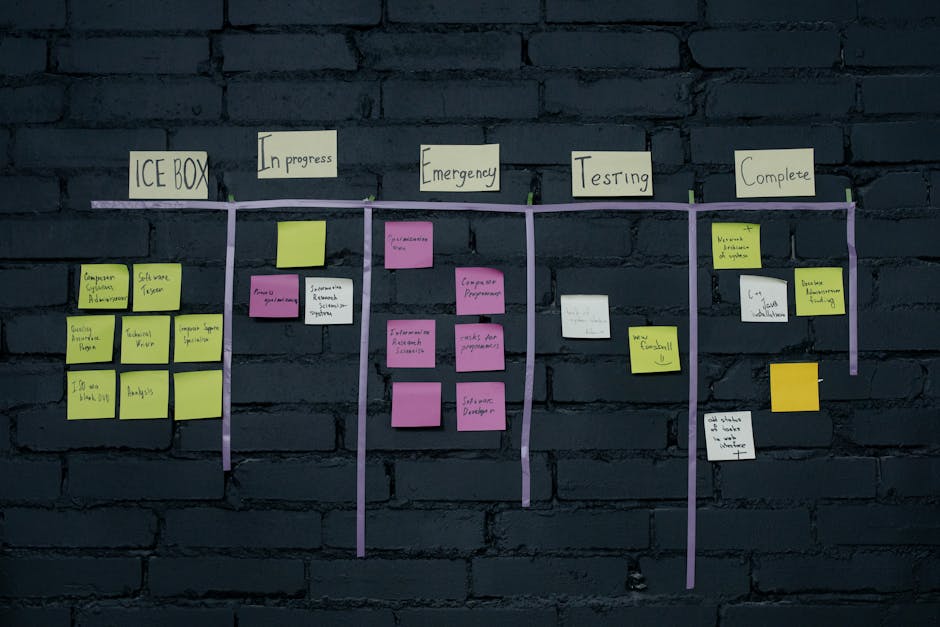

Understanding Project Management
Project management is a crucial discipline that ensures projects are completed efficiently and effectively. It involves planning, executing, and overseeing projects to achieve specific goals within a set timeframe and budget. With the right project management strategies, organizations can optimize their resources and enhance productivity.
Key Components of Project Management
1. Project Initiation
The first phase in project management is initiation. This involves defining the project, its objectives, and its feasibility. Key activities include:
- Identifying stakeholders
- Developing a project charter
- Conducting feasibility studies
2. Project Planning
Planning is where project management truly shines. A well-structured plan sets the foundation for success. Essential elements of project planning include:
- Defining project scope
- Creating a work breakdown structure (WBS)
- Establishing timelines and milestones
- Budgeting resources
- Risk management planning
3. Project Execution
During execution, the project plan is put into action. This phase involves coordinating people and resources, as well as managing stakeholder expectations. Key tasks include:
- Assigning tasks to team members
- Monitoring project progress
- Adjusting plans as necessary
4. Project Monitoring and Control
Monitoring and control are vital for ensuring that the project stays on track. Techniques include:
- Regular status updates
- Performance metrics evaluation
- Change management processes
5. Project Closure
The final phase is closure, where the project is formally completed. Important steps include:
- Conducting a project review
- Documenting lessons learned
- Releasing project resources
Benefits of Effective Project Management
Investing in effective project management yields numerous benefits, including:
- Improved efficiency and productivity
- Enhanced team collaboration
- Better risk management
- Increased customer satisfaction
Project Management Methodologies
Different methodologies can be applied to project management, each with its unique approach. Here are some popular ones:
1. Agile
Agile focuses on flexibility and customer feedback. It’s ideal for projects that require adaptability.
2. Waterfall
The Waterfall methodology is a linear approach, where each phase must be completed before the next begins. This is suitable for projects with well-defined requirements.
3. Scrum
Scrum is an Agile framework that divides projects into short sprints, allowing for quick adjustments and rapid delivery.
4. PRINCE2
PRINCE2 is a structured project management method emphasizing organization and control over the entire project lifecycle.
Tools for Project Management
Numerous tools can enhance project management efficiency. Some popular options include:
- Asana
- Trello
- Microsoft Project
- JIRA
- Monday.com
Conclusion
Effective project management is essential for achieving project success. By understanding its key components, methodologies, and tools, you can significantly improve your project outcomes. Embrace these strategies and watch your projects flourish. Ready to enhance your project management skills? Start implementing these strategies today!
Frequently Asked Questions
What is project management?
Project management is the process of planning, executing, and closing projects efficiently within a specific timeframe and budget.
What are the main phases of project management?
The main phases include initiation, planning, execution, monitoring and control, and closure.
What methodologies are used in project management?
Common methodologies include Agile, Waterfall, Scrum, and PRINCE2.
What tools can assist in project management?
Popular project management tools include Asana, Trello, Microsoft Project, JIRA, and Monday.com.
Why is project management important?
Effective project management improves efficiency, enhances collaboration, and increases customer satisfaction while minimizing risks.